By hdwysy | 14 March 2026 | 0 Comments
Gas BBQ Grill : The Ultimate Guide to Outdoor Gas Grilling for Every Backyard & Gathering
Why Choose a Gas BBQ Grill Over Other Outdoor Grills?
If you’ve debated between charcoal, electric, and gas grills, the outdoor gas grill stands out for its unbeatable practicality for daily and weekend use. Here’s why it’s the top pick for millions of outdoor cooks:
- Lightning-Quick Startup: No more waiting for charcoal to heat up or dealing with messy lighter fluid. Most gas BBQ grills feature push-button electronic ignition, so you can start grilling in just 5-10 minutes—perfect for last-minute weeknight meals or impromptu gatherings.
- Precise Temperature Control: With adjustable burner knobs, you can easily switch between high-heat searing for steaks and low-heat slow cooking for ribs or chicken. No more guessing temperatures; create distinct heat zones on one grill for versatile cooking.
- Minimal Mess & Easy Cleanup: Gas burning leaves no ash, soot, or charcoal residue to dispose of. Cleanup only requires wiping down grates and emptying grease trays, making post-grill chores quick and painless.
- Consistent Heat Every Time: Unlike charcoal, which can have hot and cold spots, a quality gas bbq grill distributes heat evenly across the cooking surface, ensuring your food cooks uniformly without burnt edges or undercooked centers.
- Versatile Placement & Use: Outdoor gas grills work on patios, decks, balconies, and even campsites (with portable models). Most run on standard propane tanks, while premium options can connect to natural gas lines for endless fuel supply.
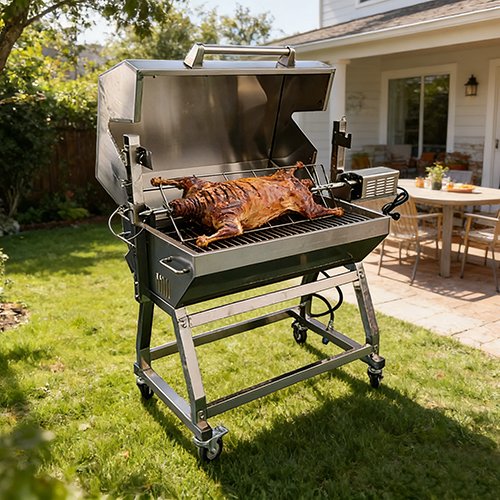
How to Choose the Perfect Outdoor Gas Grill for Your Needs
Not all gas BBQ grills are created equal—picking the right one depends on your space, cooking habits, group size, and budget. Below are the key factors to consider before buying your next gas bbq:
1. Size & Cooking Area
Match your grill size to how many people you typically cook for:
- Compact/Portable Gas BBQ: 200-350 sq. in. cooking area, ideal for couples, small families, camping, or small balconies. Easy to store and transport.
- Mid-Size Gas BBQ Grill: 400-600 sq. in. cooking area, great for families of 4-6 and regular weekend cookouts. Offers enough space for mains and sides at once.
- Full-Size Outdoor Gas Grill: 600+ sq. in. cooking area, designed for large gatherings, parties, and frequent entertaining. Often includes side burners, warming racks, and extra storage.
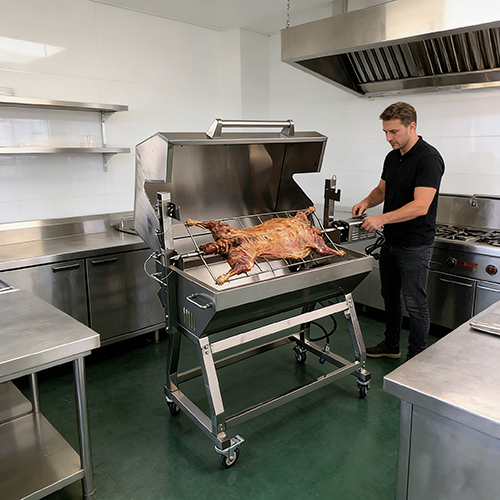
2. Fuel Type: Propane vs. Natural Gas
Most gas grills run on two fuel sources, each with unique perks:
- Propane (LP) Gas: Uses standard 20-lb tanks, widely available at grocery and hardware stores. Fully portable—move your grill anywhere in the yard or take it camping. Best for renters or those who want flexibility.
- Natural Gas: Connects directly to your home’s natural gas line, no tank refills needed. More cost-effective long-term and eco-friendly, but requires permanent installation and fixed placement.
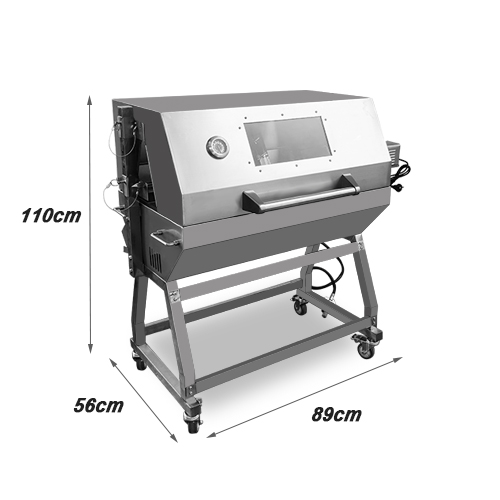
3. Build Quality & Durability
Outdoor grills face sun, rain, and heat—opt for sturdy materials to extend lifespan:
- Stainless Steel: Rust-resistant, durable, and easy to clean; look for 304-grade stainless steel for premium quality
4. Must-Have Features
- Electronic ignition for fast, reliable startup
- Multiple adjustable burners for zone cooking
- Built-in lid thermometer for accurate temperature monitoring
- Side shelves for prep space and tool storage
- Grease management system to prevent flare-ups
- Wheels for easy mobility (full-size models)
Easy Maintenance to Make Your Outdoor Gas Grill Last
A well-cared-for gas BBQ grill can last 10 years or more, and maintenance doesn’t have to be complicated. After each use, scrub the grates while the grill is still warm to remove food residue, and empty the grease tray regularly to avoid buildup. Once a month, check burner tubes for clogs and wipe down the exterior. For winter or long-term storage, deep clean the grill, disconnect the propane tank, and cover it with a weatherproof grill cover to protect it from the elements.
.
If you’ve debated between charcoal, electric, and gas grills, the outdoor gas grill stands out for its unbeatable practicality for daily and weekend use. Here’s why it’s the top pick for millions of outdoor cooks:
- Lightning-Quick Startup: No more waiting for charcoal to heat up or dealing with messy lighter fluid. Most gas BBQ grills feature push-button electronic ignition, so you can start grilling in just 5-10 minutes—perfect for last-minute weeknight meals or impromptu gatherings.
- Precise Temperature Control: With adjustable burner knobs, you can easily switch between high-heat searing for steaks and low-heat slow cooking for ribs or chicken. No more guessing temperatures; create distinct heat zones on one grill for versatile cooking.
- Minimal Mess & Easy Cleanup: Gas burning leaves no ash, soot, or charcoal residue to dispose of. Cleanup only requires wiping down grates and emptying grease trays, making post-grill chores quick and painless.
- Consistent Heat Every Time: Unlike charcoal, which can have hot and cold spots, a quality gas bbq grill distributes heat evenly across the cooking surface, ensuring your food cooks uniformly without burnt edges or undercooked centers.
- Versatile Placement & Use: Outdoor gas grills work on patios, decks, balconies, and even campsites (with portable models). Most run on standard propane tanks, while premium options can connect to natural gas lines for endless fuel supply.
How to Choose the Perfect Outdoor Gas Grill for Your Needs
Not all gas BBQ grills are created equal—picking the right one depends on your space, cooking habits, group size, and budget. Below are the key factors to consider before buying your next gas bbq:
1. Size & Cooking Area
Match your grill size to how many people you typically cook for:
- Compact/Portable Gas BBQ: 200-350 sq. in. cooking area, ideal for couples, small families, camping, or small balconies. Easy to store and transport.
- Mid-Size Gas BBQ Grill: 400-600 sq. in. cooking area, great for families of 4-6 and regular weekend cookouts. Offers enough space for mains and sides at once.
- Full-Size Outdoor Gas Grill: 600+ sq. in. cooking area, designed for large gatherings, parties, and frequent entertaining. Often includes side burners, warming racks, and extra storage.
2. Fuel Type: Propane vs. Natural Gas
Most gas grills run on two fuel sources, each with unique perks:
- Propane (LP) Gas: Uses standard 20-lb tanks, widely available at grocery and hardware stores. Fully portable—move your grill anywhere in the yard or take it camping. Best for renters or those who want flexibility.
- Natural Gas: Connects directly to your home’s natural gas line, no tank refills needed. More cost-effective long-term and eco-friendly, but requires permanent installation and fixed placement.
3. Build Quality & Durability
Outdoor grills face sun, rain, and heat—opt for sturdy materials to extend lifespan:
- Stainless Steel: Rust-resistant, durable, and easy to clean; look for 304-grade stainless steel for premium quality
4. Must-Have Features
- Electronic ignition for fast, reliable startup
- Multiple adjustable burners for zone cooking
- Built-in lid thermometer for accurate temperature monitoring
- Side shelves for prep space and tool storage
- Grease management system to prevent flare-ups
- Wheels for easy mobility (full-size models)
Easy Maintenance to Make Your Outdoor Gas Grill Last
A well-cared-for gas BBQ grill can last 10 years or more, and maintenance doesn’t have to be complicated. After each use, scrub the grates while the grill is still warm to remove food residue, and empty the grease tray regularly to avoid buildup. Once a month, check burner tubes for clogs and wipe down the exterior. For winter or long-term storage, deep clean the grill, disconnect the propane tank, and cover it with a weatherproof grill cover to protect it from the elements.
.
Leave a Reply
Your email address will not be published.Required fields are marked. *